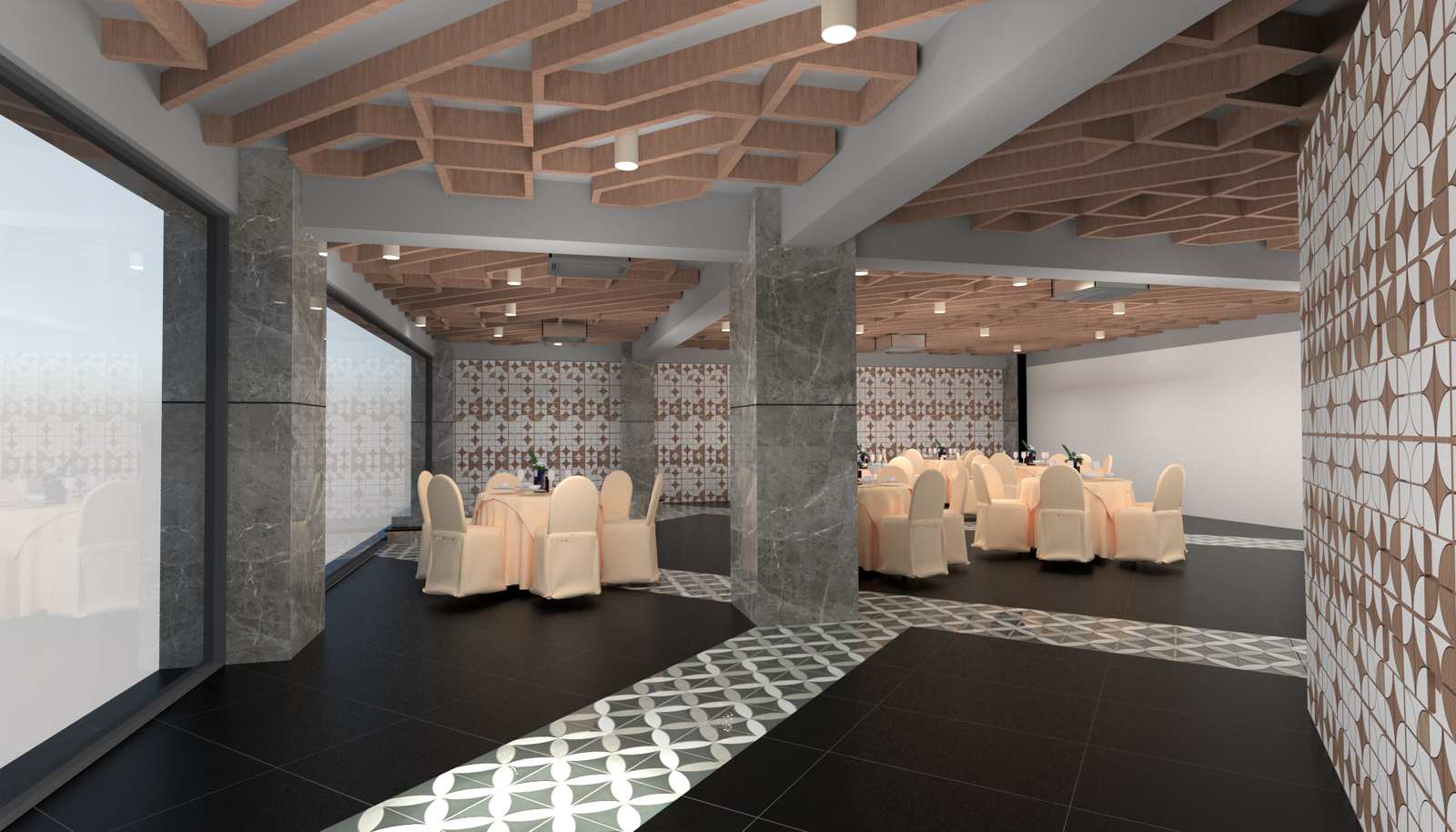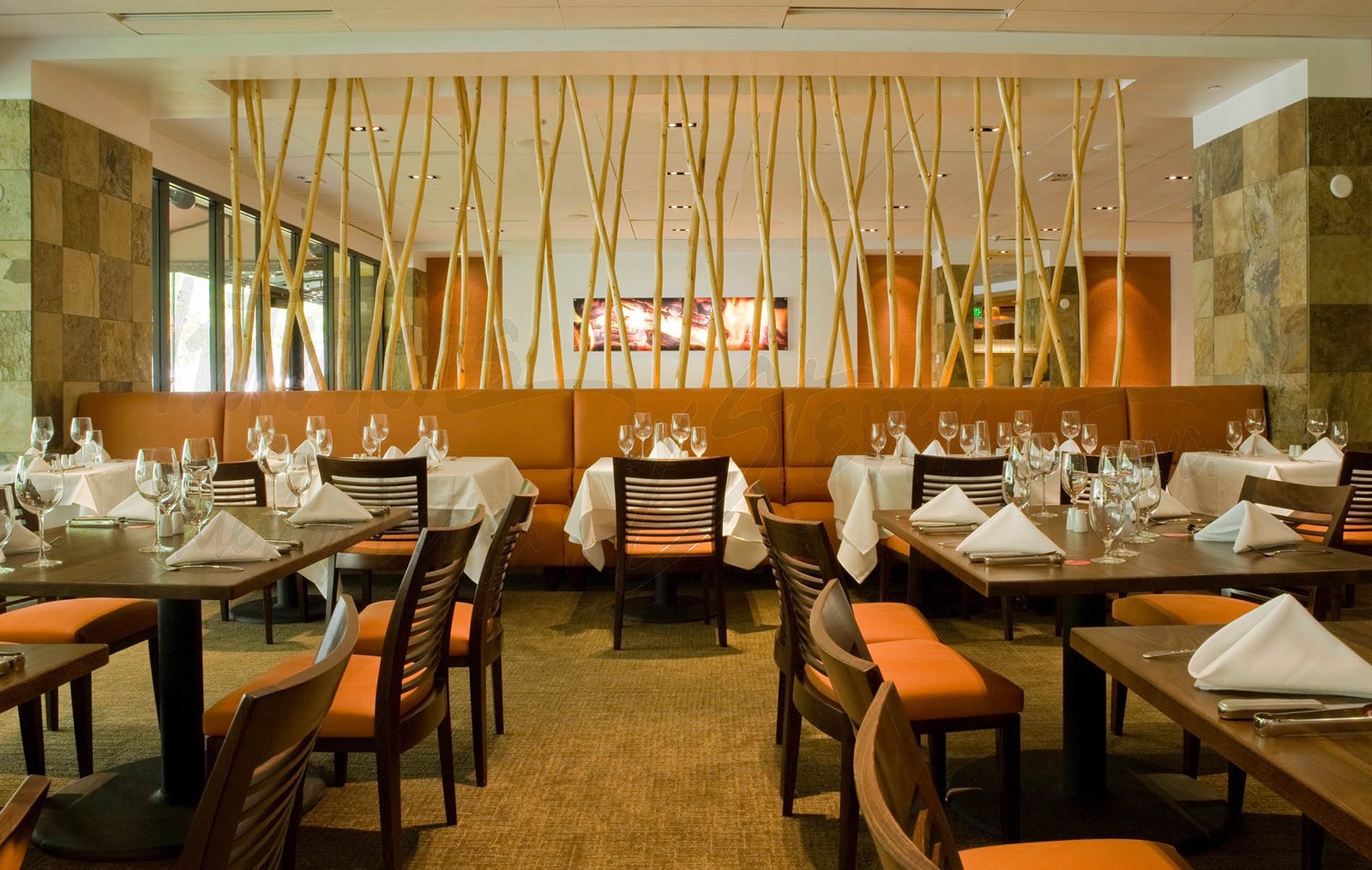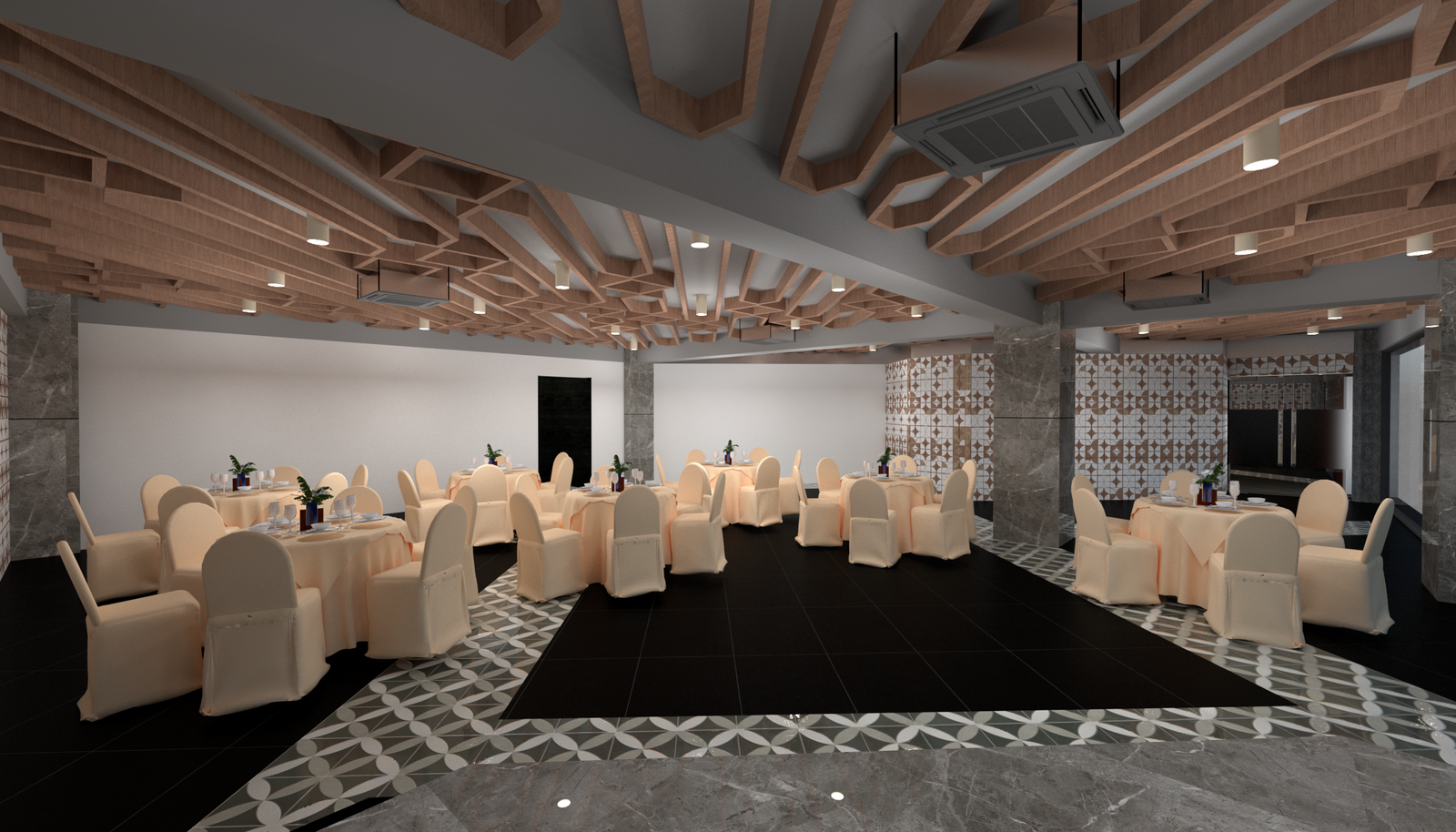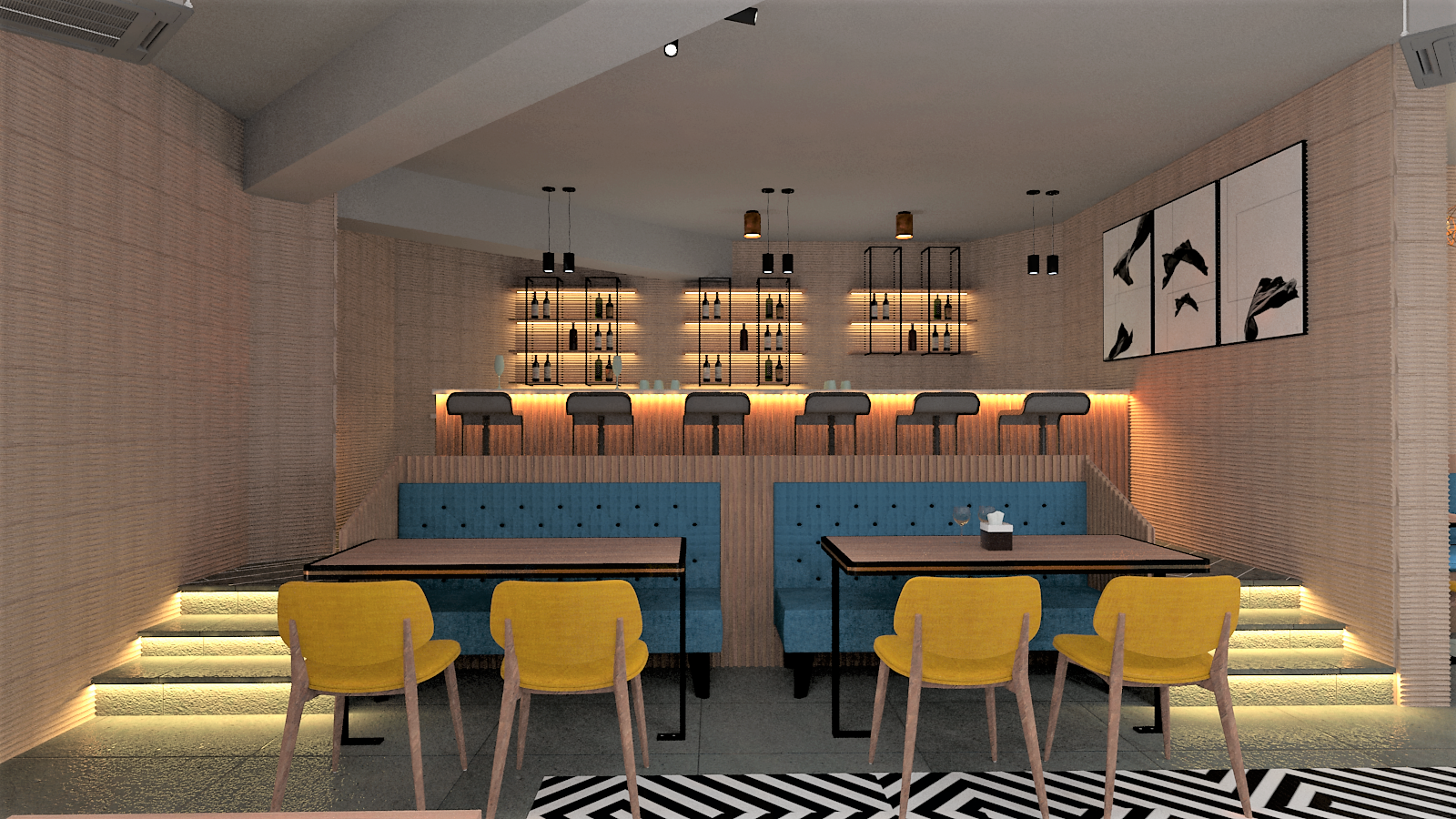
Commercial interior designers are trained to prioritize functionality and safety without sacrificing style or aesthetics. For example, a luxury hotel needs to accommodate a certain amount of guests if it wants to maximize profits. But in order to do so, the hotel has to impress guests with spacious rooms, lavish bathrooms, and breathtaking views. It should wow guests with its lobby, and make room for high-end amenities including spas, saunas, gyms, outdoor spaces, pools, and a restaurant and bar.
It falls on the commercial interior designer to make all of these requirements come together into one usable and beautiful space…and they are more than qualified to do so!
Commercial interior designers know how to space plan without surrendering design. They are also trained to ensure that everything within the physical structure is safe and up to code. They are heavily involved in the renovation and construction process, and work closely with contractors and manufacturers to make important structural decisions including architectural details, lighting, floor and ceiling design, window placement, and technological upgrades. Commercial interior designers also define the project’s scope of work, draw schematics and blueprints, select the right materials, and oversee budgeting and scheduling, along with other important duties.